Reach the incident
Street width, turning space, bridge limits, gradients and seasonal road conditions can constrain chassis size and axle layout.
MUNICIPAL FIRE SERVICE
Plan a municipal pumper around the routes it must reach, the crew it carries and the water and equipment it needs to deliver. Compare the starting configurations below, then define the complete vehicle against your local operating requirements.
Discuss a municipal fleet requirement ↗THE MUNICIPAL OPERATING BRIEF
A nominal tank capacity is only one part of a frontline pumper decision.
Street width, turning space, bridge limits, gradients and seasonal road conditions can constrain chassis size and axle layout.
Water volume, pump and monitor requirements, hydrant practice and refill distance shape how the truck supports the first response.
Crew seating, equipment lockers, hose layout and the loaded vehicle weight need to be considered together.
VEHICLE STARTING POINTS
These published vehicles illustrate different water-capacity starting points. Final equipment and vehicle specifications depend on the project brief.
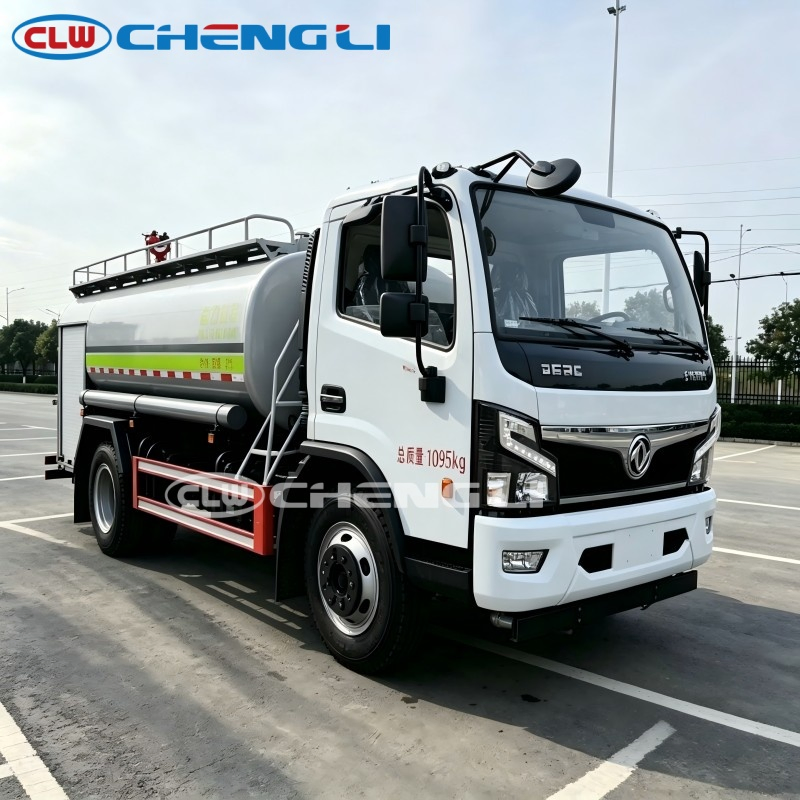
MUNICIPAL WATER FIRE TRUCK
A higher nominal water-capacity starting point for municipal departments comparing 4×2 pumpers.
View vehicle details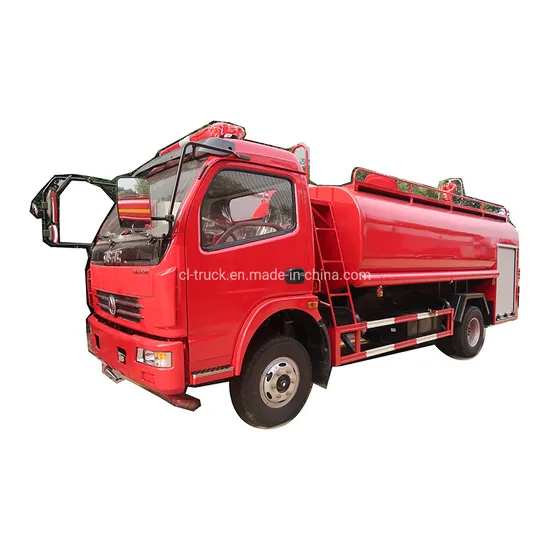
MUNICIPAL WATER FIRE TRUCK
A 5,000 L-class 4×2 option to compare where route access, crew needs and water supply must be balanced.
View vehicle details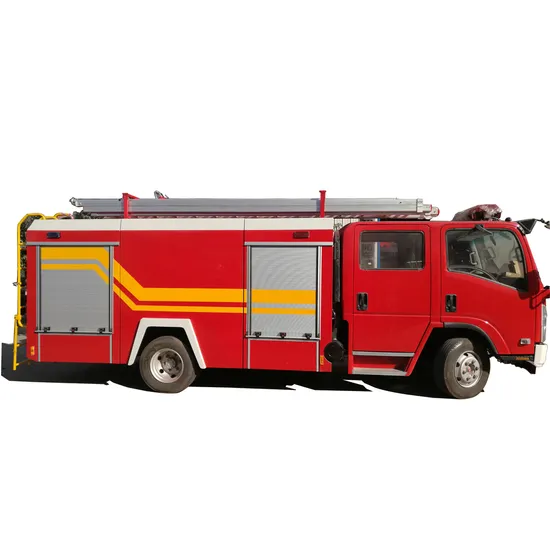
MUNICIPAL WATER FIRE TRUCK
A 4×2 water-tanker option listed in the 3,001–5,000 L range for urban response planning.
View vehicle detailsSELECTION FACTORS
Share the narrowest route, turning constraints, grades, bridge or axle limits, driving side and applicable registration requirements.
Set the required water volume alongside hydrant access, refill locations, pump and monitor needs, hose inventory and intended crew size.
Include crew, water, hose, tools and optional equipment when reviewing axle loads, gross vehicle weight and remaining payload.
Specify operator training, manuals, spare parts, local service expectations, inspection documents and acceptance checks in the request.
WHAT TO INCLUDE IN AN RFQ
Final equipment, specifications and price are quoted against the confirmed project configuration.
MUNICIPAL FIRE TRUCK QUESTIONS
Compare the required first-response water volume with refill access, route limits, crew and equipment weight, and local operating practice. The largest nominal tank is not automatically the best fit.
Not necessarily. Confirm gradients, road surface, weather, axle limits and access conditions for the actual service area before specifying the drive layout.
Confirm the offered pump, monitor, hose, crew seating, payload, loaded weight, dimensions, documents and acceptance requirements for the complete build.
PREPARE A MUNICIPAL FLEET BRIEF
Send your route conditions, water strategy, crew and equipment requirements for a project-specific discussion.
Discuss a municipal fleet requirement ↗ Chat on WhatsApp