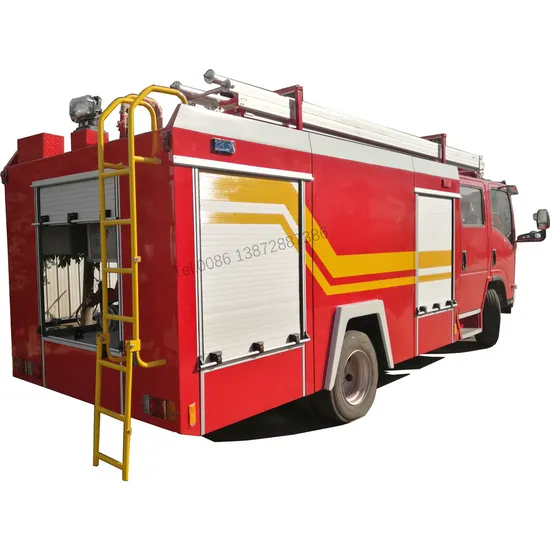
CLW5070GXFQ4 Compact Water Fire Truck
CLW5070GXFQ4 Compact Water Fire Truck with 3,000 L water / 1,000 L foam tanks. Confirm pump duty, monitor, chassis, axle loads and destination requirements.
View details ↗VEHICLE FAMILY
Compare compact rapid intervention vehicles for first response, confined access and specialist equipment.
Discuss this vehicle family ↗CLW5070GXFQ4 Compact Water Fire Truck with 3,000 L water / 1,000 L foam tanks. Confirm pump duty, monitor, chassis, axle loads and destination requirements.
View details ↗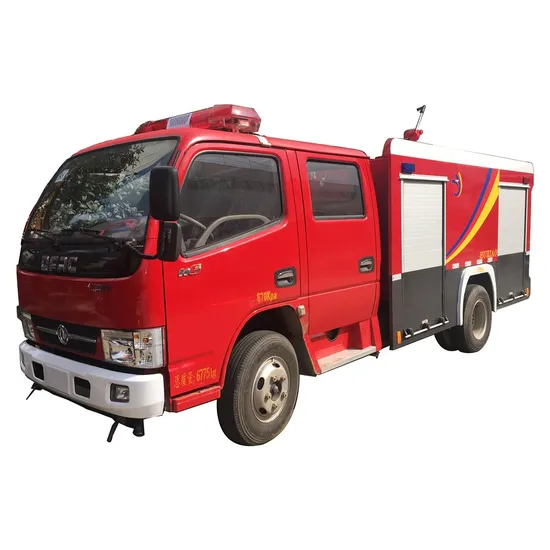
Dongfeng Small Water Fire Truck. Confirm operating mission, chassis identity, capacity, systems, axle loads and destination requirements before quotation.
View details ↗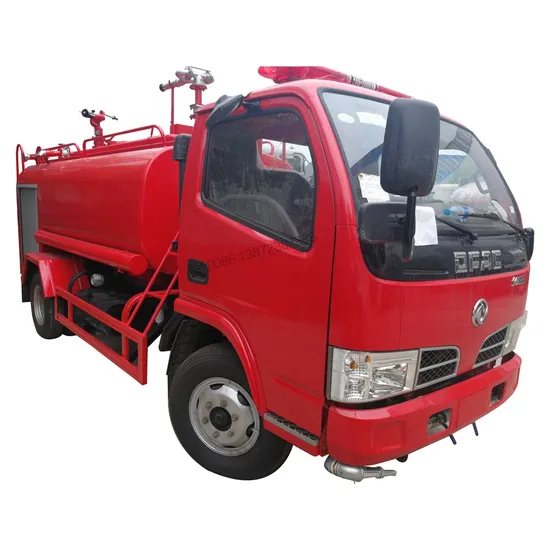
Dongfeng 4×2 Compact Water Fire Truck. Confirm operating mission, chassis identity, capacity, systems, axle loads and destination requirements before quotation.
View details ↗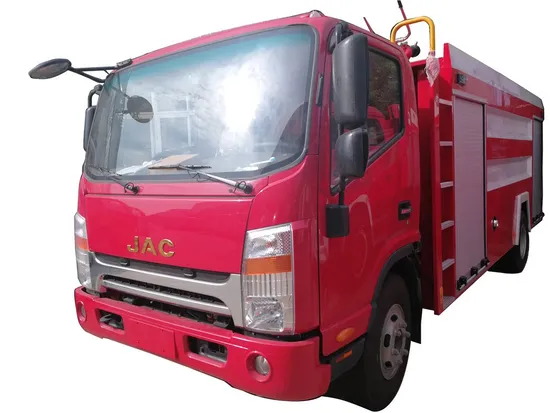
JAC Compact Water Fire Truck. Confirm operating mission, chassis identity, capacity, systems, axle loads and destination requirements before quotation.
View details ↗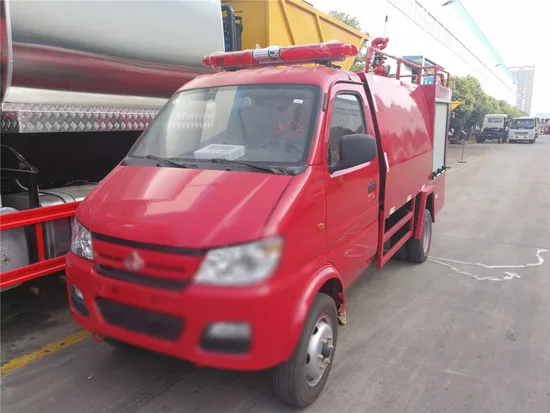
4×2 Compact Water Fire Truck. Confirm operating mission, chassis identity, capacity, systems, axle loads and destination requirements before quotation.
View details ↗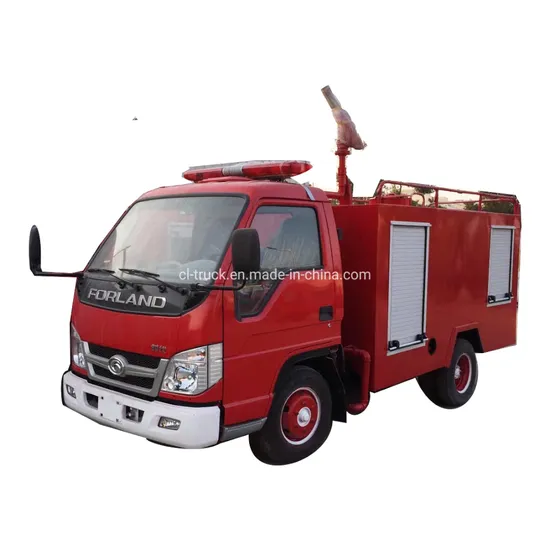
Foton 4×2 Compact Water Fire Truck. Confirm operating mission, chassis identity, capacity, systems, axle loads and destination requirements before quotation.
View details ↗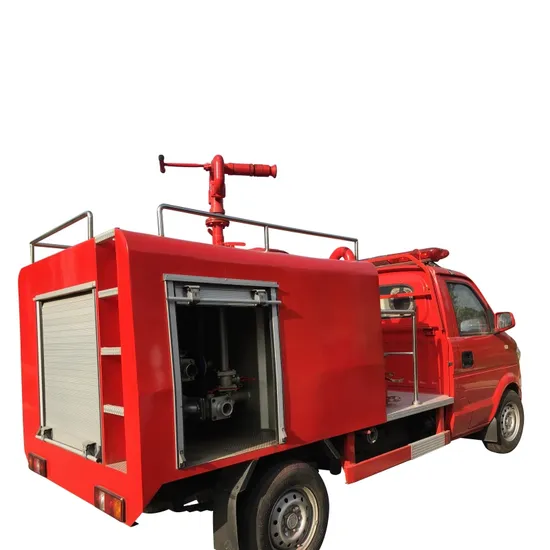
4×2 1 m³ Compact Water Fire Truck. Confirm operating mission, chassis identity, capacity, systems, axle loads and destination requirements before quotation.
View details ↗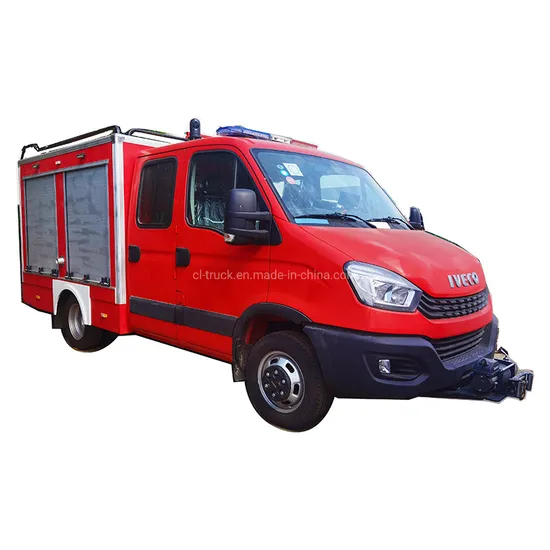
Compact 4×2 water-and-foam fire truck for restricted-access response. Confirm the chassis, tank split, pump, monitor and completed-vehicle limits.
View details ↗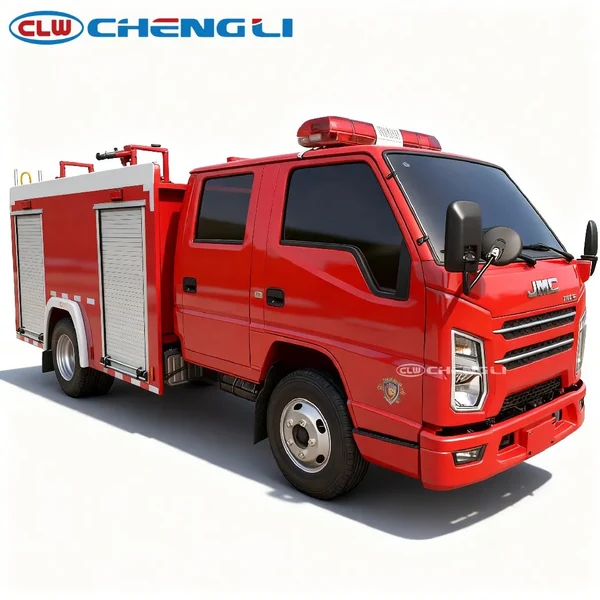
JMC 2,000 L Compact Water Fire Truck. Confirm operating mission, chassis identity, capacity, systems, axle loads and destination requirements before quotation.
View details ↗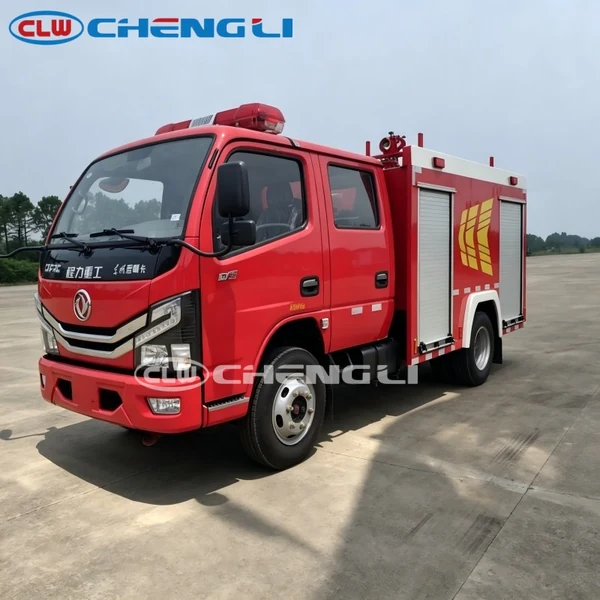
Dongfeng 2,100 L Compact Fire Truck. Confirm operating mission, chassis identity, capacity, systems, axle loads and destination requirements before quotation.
View details ↗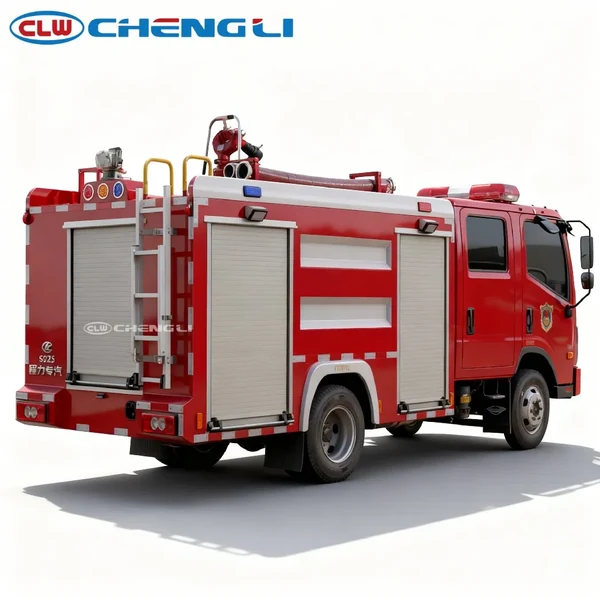
Foton H2 Compact Fire Truck for community and restricted-access response. Confirm chassis, capacity, systems, axle loads and destination requirements for offer.
View details ↗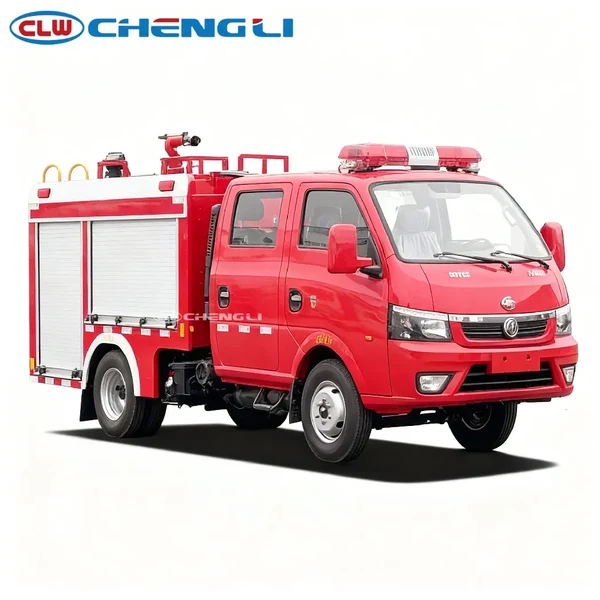
Dongfeng Tuyi Mini Fire Truck. Confirm operating mission, chassis identity, capacity, systems, axle loads and destination requirements before quotation.
View details ↗For a restricted-access route, compare completed dimensions before choosing more tank volume. The two 4×2 water vehicles below use the same comparison fields; neither tank volume nor a compact body establishes response time, turning clearance or pump duty.
As a hypothetical straight-line width check, a 2,200 mm opening minus the 1,780 mm Tuyi body width leaves 420 mm in total; the 1,940 mm JMC body leaves 260 mm. Those are arithmetic differences, not safe passage clearances. Obtain the width with mirrors and equipment, the gate approach and a swept-path check before selecting either vehicle. A 2.00 m opening would reduce those differences to 220 mm and 60 mm.
In a planning-only example at an assumed constant 200 L/min discharge, 850 L divided by 200 gives 4.25 minutes and 2,000 L gives 10 minutes before deductions for unusable volume or reserve. At 400 L/min the arithmetic halves to 2.125 and 5 minutes. These are nominal-volume calculations, not tested pump performance or operational endurance; establish the actual pump duty and operating fill separately.
For tool-led first response, compare the actual tool inventory, crew seating, power demand, locker dimensions and completed mass before enlarging the tank. Water mass, people and installed equipment must fit the completed axle limits. Keep a separate requirement for replenishment or support from the main appliance; do not assume a larger tank makes a compact vehicle suitable for every rescue task.
Provide the narrowest opening, route and turning restrictions, vehicle height limit, crew and tool list, requested usable water volume, required flow at pressure, refill arrangement and destination. Ask for the completed drawing with mirrors, loaded mass and axle statement, equipment stowage plan and a matching acceptance schedule. Quote the two named configurations against those same entries.
A vehicle family is a starting point. The final build follows your project requirements.
Confirm road conditions, station dimensions, crew and equipment loads.
Review local support, driving position, emissions and completed vehicle compatibility.
Agree documents, configuration evidence, testing, training and service responsibilities.
Compare the range's compact, mini and small fire-truck records by stated capacity, drive layout and price, with access, crew and equipment requirements kept in view.
Specify separate agent quantities, pump flow at pressure and occupied seats. Use a real-vehicle comparison, a worked storage example and a filled buying brief.
03 / YOUR PROJECT
Include destination, quantity, vehicle role, chassis preference, steering side, crew, water/agent volumes, pump duty, equipment and delivery requirements. Attach the relevant product links and tender specification where available.