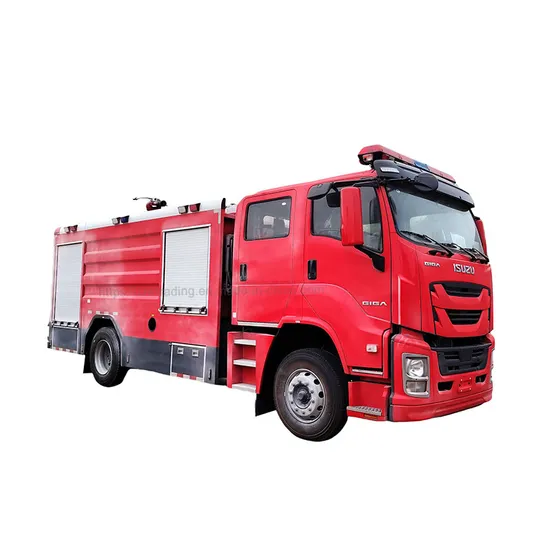
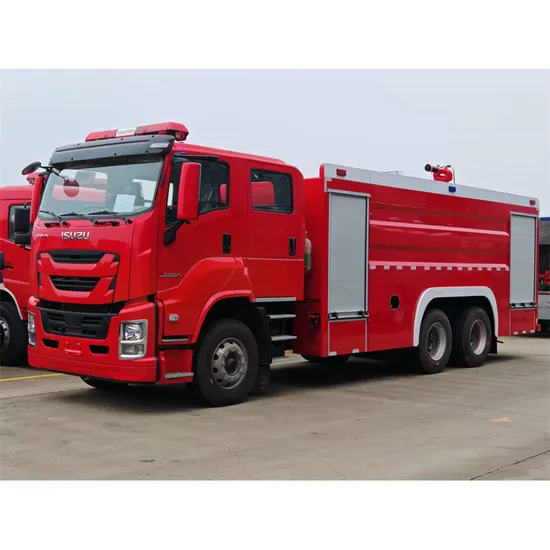
An Isuzu GIGA two-axle water/foam fire truck with a crew cab, enclosed equipment compartments and rear pump access. The body carries a roof monitor and side roller shutters. Define tank fill, foam compatibility and pump duty as one completed-vehicle configuration.
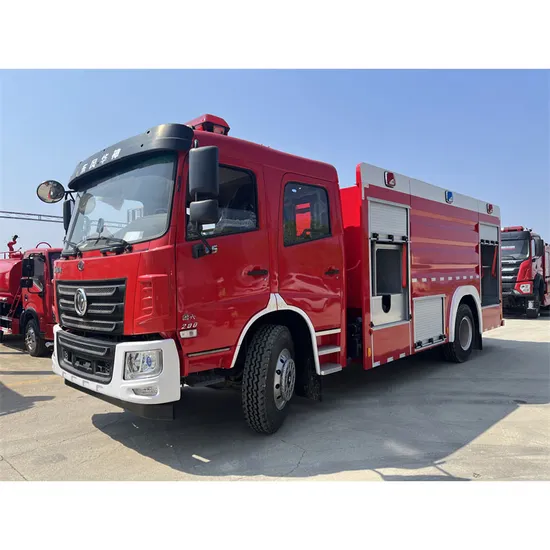
A Dongfeng F5 4×2 fire truck with separate 6,000 L water and 2,000 L foam tanks. The double-cab configuration has side equipment lockers, rear pump access and a roof monitor. Specify the foam concentrate, proportioning arrangement and discharge duty together for the intended fire risk.
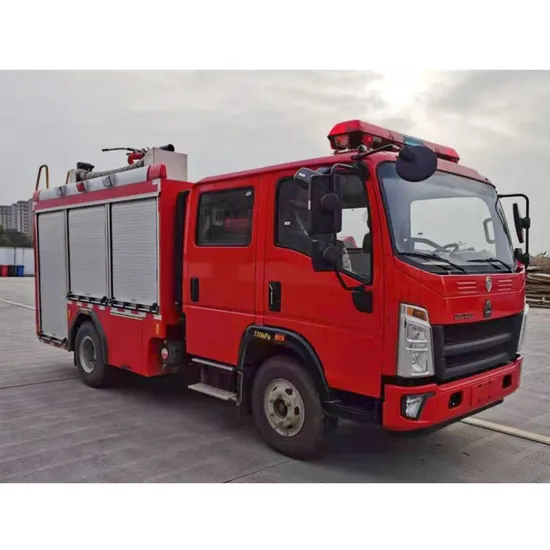
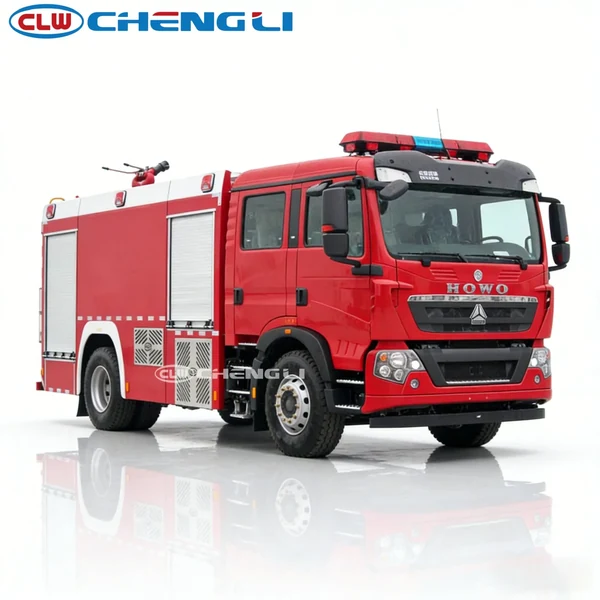
A compact HOWO 4×2 water fire truck with a 4,000 L water tank, double cab and enclosed equipment body. A roof monitor and rear pump arrangement support water-based response. Match station access, the crew layout, hose connections and the equipment inventory to the intended deployment.
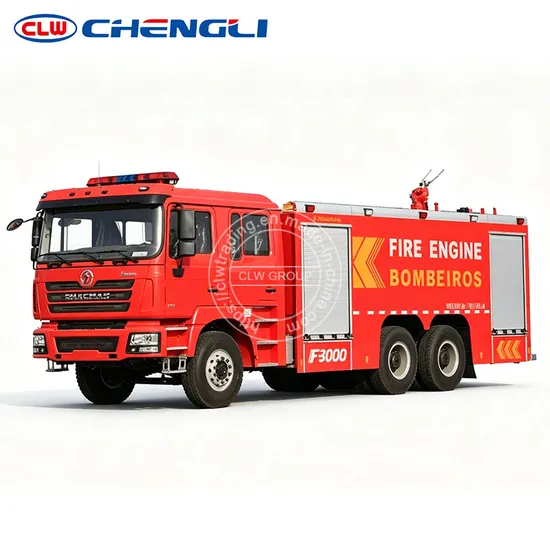
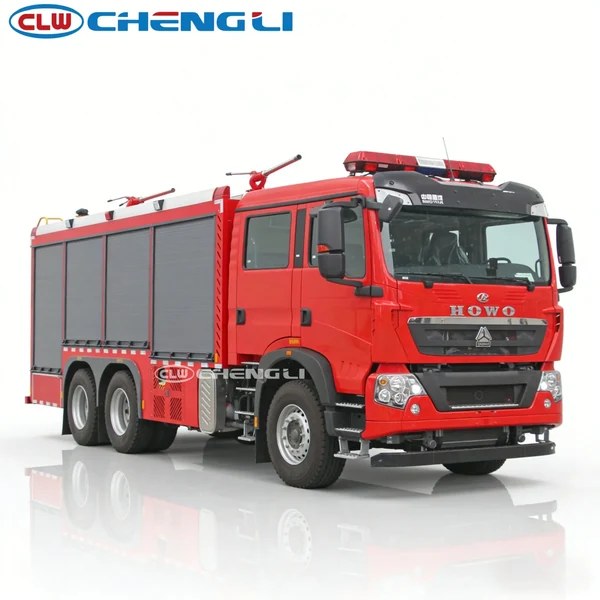
A Shacman F3000 three-axle fire truck with a double cab, enclosed equipment lockers and a rear pump compartment. The body has a roof monitor, rear access ladder and roller-shutter equipment access. Define the agent storage arrangement, pump duty and equipment inventory together for the intended response.
An Isuzu GIGA fire truck with a three-axle chassis, crew cab and water/foam firefighting body. Side equipment compartments and a rear pump station form part of the vehicle layout. Plan the agent arrangement, pump duty, equipment inventory and loaded axle distribution together for the completed build.
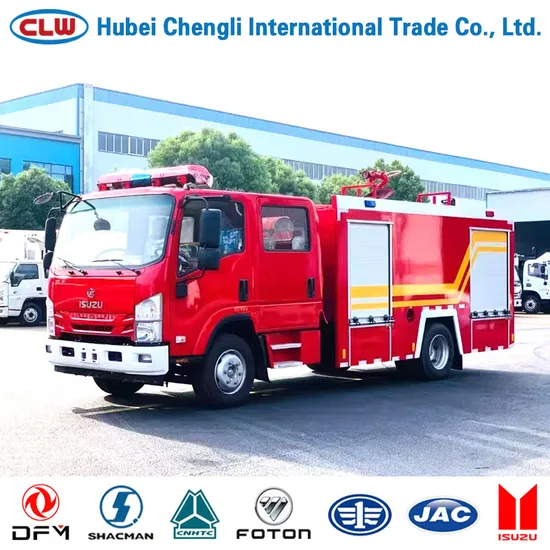
An Isuzu 4×2 crew-cab water fire truck with an extended equipment body, side lockers and a roof monitor. The CLW5071GXFSG20 configuration has a distinct locker arrangement and rear pump compartment. Define the equipment list, loading plan and pump connections for the intended response.
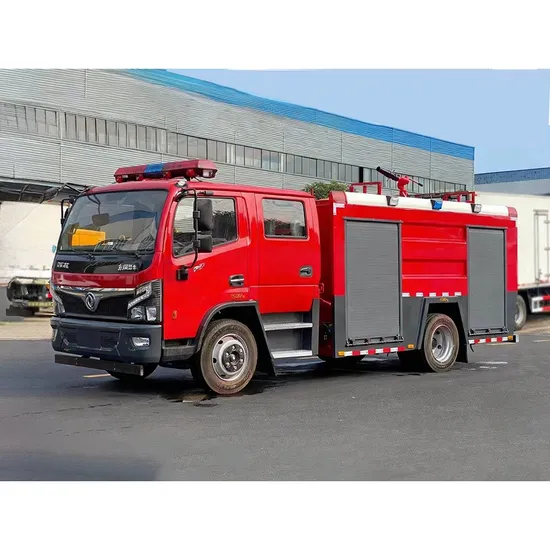
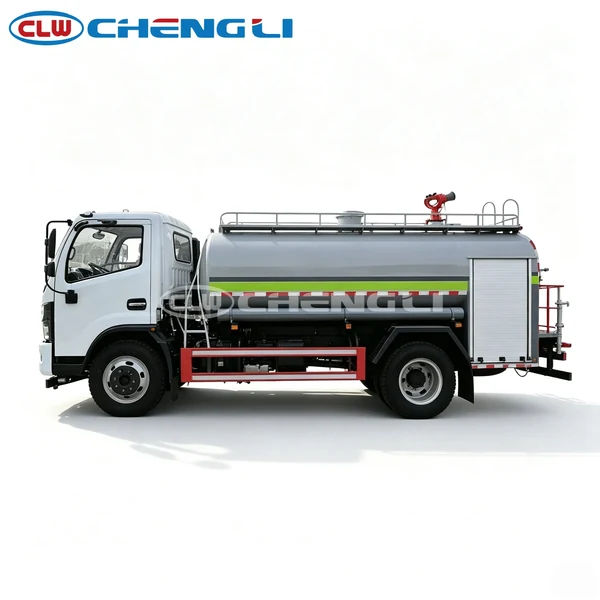
A Dongfeng 4×2 water fire truck in the CLW5110GXFSG50/DF configuration, with a double cab, roof monitor and enclosed equipment compartments. It provides a water-based firefighting layout for crews that need an integrated vehicle body. Confirm tank fill, pump duty and the equipment inventory for the completed vehicle.
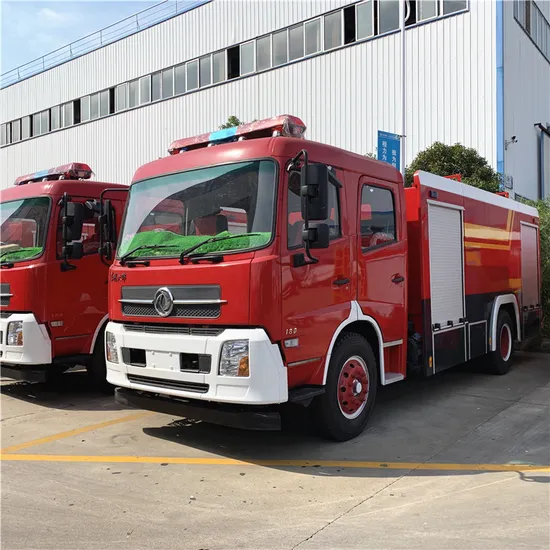
A Dongfeng Tianjin 4×2 fire truck with separate 5,000 L water and 1,000 L foam tanks. The double-cab body combines crew access, equipment compartments and a roof monitor. Define the foam concentrate, water supply, hose couplings and discharge duty as one configuration for the intended fire response.
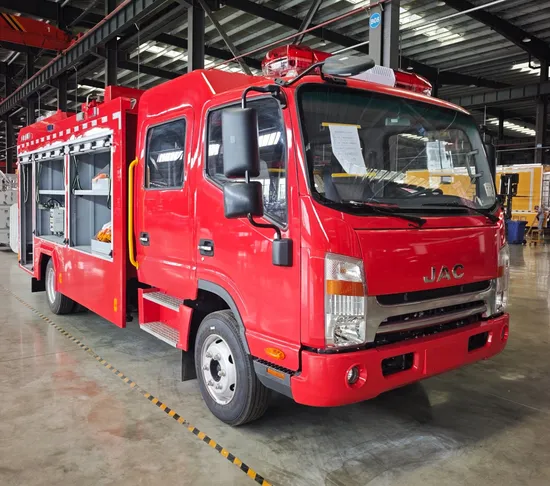
A JAC 4×2 water fire truck with a 3,000 L water tank, double cab and side equipment compartments. Open lockers provide access to hoses, nozzles and fittings, while the rear compartment houses the pump station. Match the hose connections, equipment inventory and pump duty to the response plan.
Water and foam fire trucks serve different incident roles. Compare water storage, foam-concentrate storage, pumping equipment and body layout separately. Chengli Group supplies project-configured vehicles with OEM/ODM and customisation options; chassis identity remains a separate part of the specification.
Configuration
Selection focus
What to compare
Water fire truck
Water carriage and pumping response
Nominal tank volume, pump duty, outlets, monitor and crew layout
Water and foam fire truck
Projects specifying water and a separate foam-concentrate system
Separate agent volumes, proportioning package and equipment compatibility
Multi-agent configuration
A defined project requiring additional agent storage
Installed system, equipment interfaces and complete-vehicle mass distribution
Incident role and operating environment: municipal response, industrial duty or another defined fleet task.
Water supply, nominal agent volumes and pump flow/pressure requirements written as separate items.
Chassis preference, steering side, route access, dimensions, completed mass and axle limits.
Crew seats, carried equipment, hose connections, compartment access and service arrangements.
Customisation and OEM/ODM
Discuss tank arrangement, equipment compartments, crew requirements, paint and branding, pump/monitor package and project documentation together. The scope is developed within the selected chassis and complete-vehicle constraints. A chassis brand identifies the chassis supplier; Chengli is the special-purpose vehicle manufacturer.
What affects fire-truck price?
Chassis model, drivetrain, cab, tank arrangement, pump and monitor package, rescue equipment and transport scope all affect the quotation. Compare the same inclusion list rather than price per litre. Product-page reference ranges are starting points; the agreed specification and commercial terms determine the final offer.
Is the quoted tank volume water or foam concentrate?
Ask for separate nominal water and foam-concentrate volumes. A combined vehicle title does not identify the split or the installed proportioning package.
Can a water truck become a water-and-foam configuration?
Discuss the required agent system, tank arrangement, equipment and complete-vehicle limits as a project specification. Do not assume a foam package is included in every water truck.
Which details should an industrial enquiry include?
Provide the incident role, water supply, required agents, pump duty, crew and equipment inventory, destination and any specified acceptance documents.
Send a useful vehicle brief
Include destination, quantity, vehicle role, chassis preference, steering side, crew, water/agent volumes, pump duty, equipment and delivery requirements. Attach the relevant product links and tender specification where available.
Use a filled buying brief, a clear responsibility split and one accepted drawing revision. Follow a hypothetical two-vehicle project through changes and acceptance records.
EXPORT PROJECT
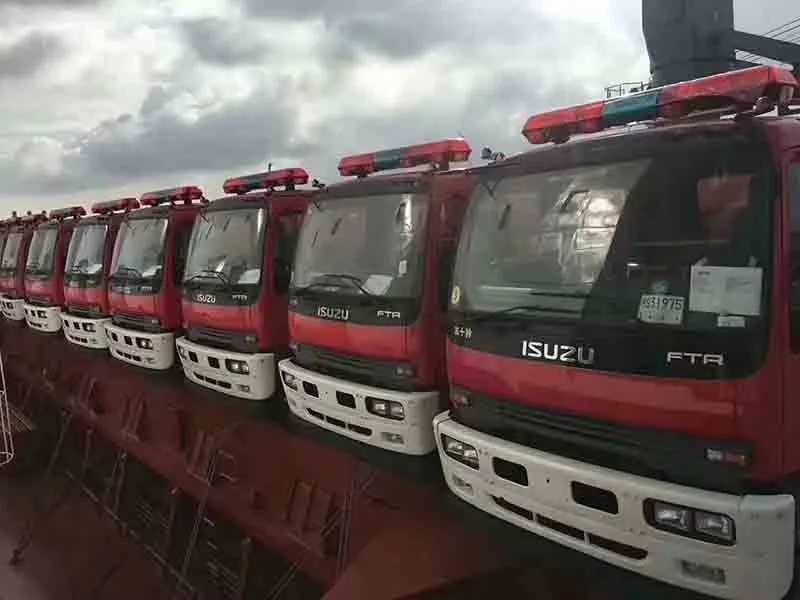
86 Isuzu fire trucks in one order
Chengli Group exported 86 Isuzu fire trucks in a single order. The vehicles were loaded aboard a ship at the port.
03 / YOUR PROJECT
Send a useful vehicle brief
Include destination, quantity, vehicle role, chassis preference, steering side, crew, water/agent volumes, pump duty, equipment and delivery requirements. Attach the relevant product links and tender specification where available.