Home Vehicles Wildland Fire Trucks 4×4 Wildland Hose-Laying Fire Truck
WILDLAND FIRE TRUCKS
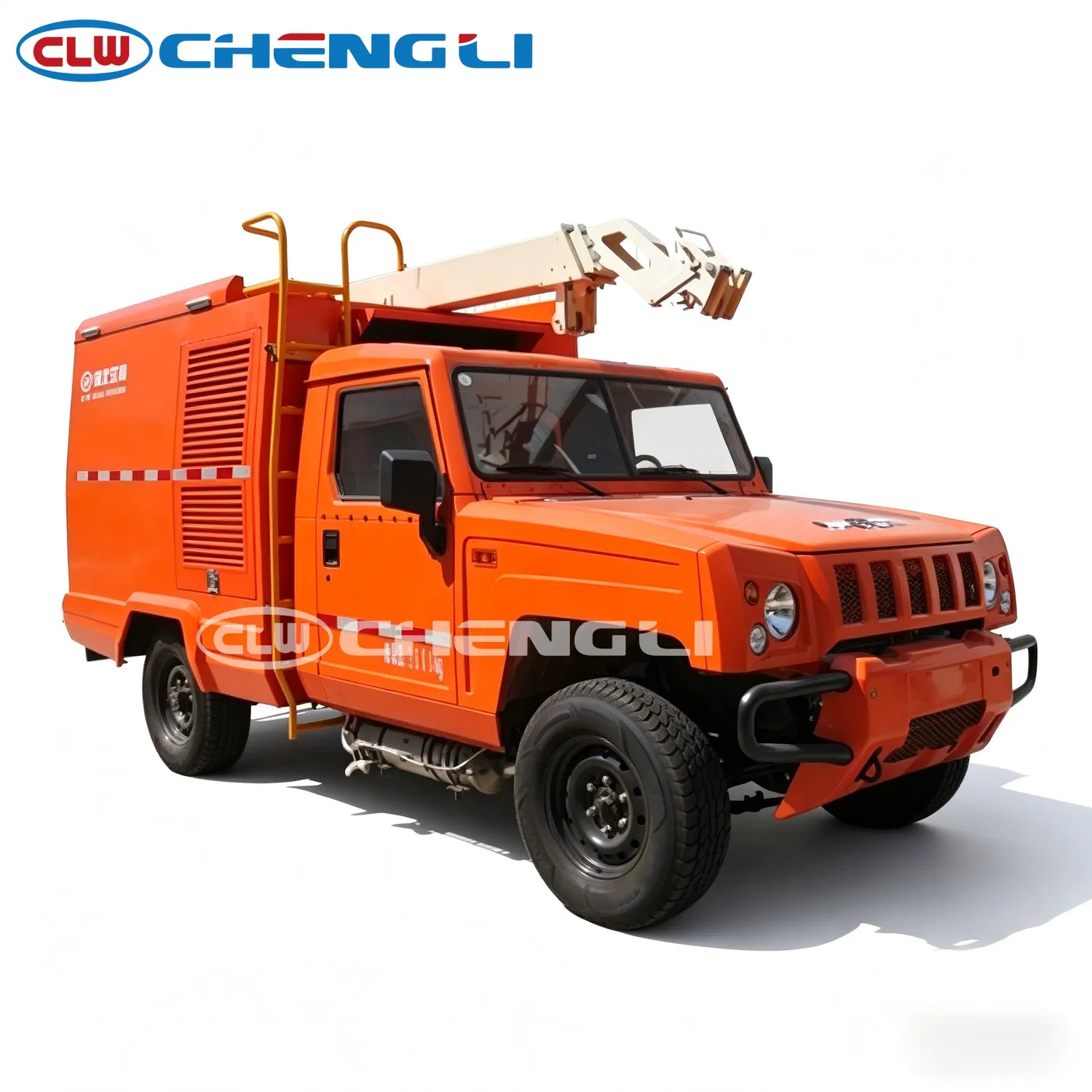
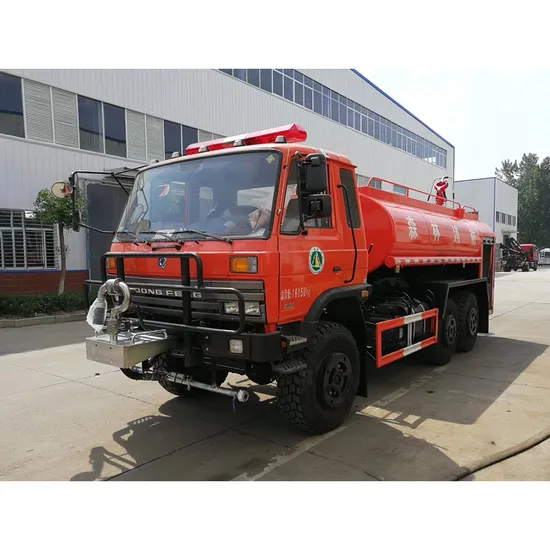
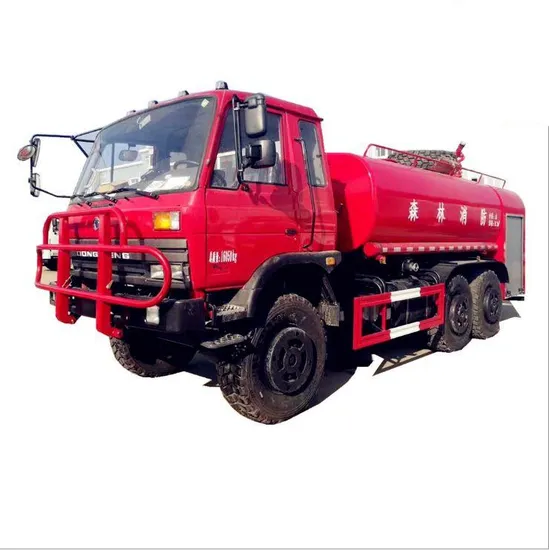
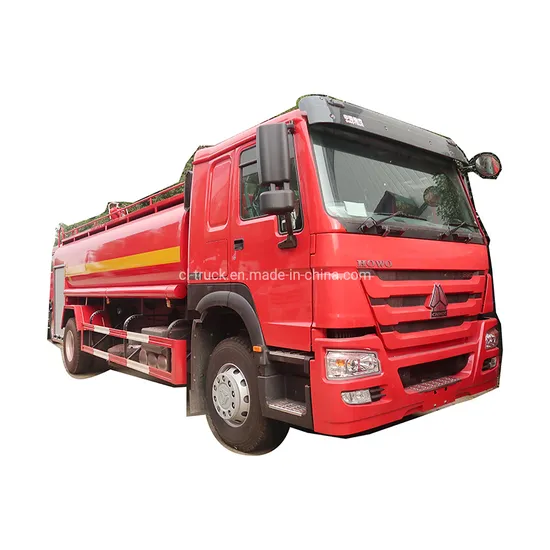
4×4 Wildland Hose-Laying Fire Truck 4×4 Wildland Hose-Laying Fire Truck. Confirm operating mission, chassis identity, capacity, systems, axle loads and destination requirements before quotation.
Primary use: Mobile hose laying, recovery and remote water-supply support
Configure your vehicle ↗
Configuration Body & systems Commercial scope Gallery Your brief
01 / THE COMPLETE VEHICLE
Specify the system. The vehicle details shown here are a starting point. Your quotation will specify the selected chassis, body and firefighting systems for your project.
Project-specific equipment package Agree the installed equipment, body layout, interfaces and acceptance checks in the offer.
Mobile hose laying, recovery and remote water-supply support 4×4 Wildland Hose-Laying Fire Truck. Confirm operating mission, chassis identity, capacity, systems, axle loads and destination requirements before quotation.
Body, equipment and operating system. Mobile hose laying, recovery and remote water-supply support.
Key features
Operating Focus Mobile hose laying, recovery and remote water-supply support
Selection Scope Match the chassis, installed systems, equipment inventory and complete-vehicle limits to the destination and mission.
Suitable working conditions
Application Projects with a defined mission, operating environment, access constraints and acceptance plan.
Unsuitable working conditions
Limits Do not select the vehicle from nominal capacity alone; check access, axle loading, crew, equipment and destination requirements together.
Configuration options. Use the offered complete-vehicle drawing, mass and axle statement, system data sheets and acceptance plan as the purchase basis.
Safety configuration
Operations Define crew positions, moving-vehicle procedures, reel guarding, hose tension limits and communications
Configuration options and trade-offs
Selection Capacity, mobility, crew arrangement and working-system duty must be selected as one complete-vehicle package.
Vehicle Balance Body layout and installed equipment affect finished mass, axle distribution, stability, access and serviceability.
Compliance documents
Supplier To Include A document schedule tied to the exact chassis and completed vehicle offered.
Price and delivery basis Reference price: USD 45,000–60,000
Reference price, not an FOB or CIF quotation.
Inspection and support scope Define the dimensional, functional, equipment and document checks to be witnessed before shipment.
Include operator and equipment manuals, training, spare-parts scope, warranty responsibilities and service arrangements in the purchase specification.
Product Specifications Show specifications Hide specifications Use these specifications to compare the chassis, body and installed equipment.
Chassis & powertrain
Drive layout 4×4
Fuel type Diesel
Engine power (kW) 120
Wheelbase 3,035 mm
Drive 4×4
Engine Power 120 kW
Fuel Diesel
Wheelbase 3,035 mm Dimensions & weight
Overall length (mm) 5295
Overall width (mm) 2030
Overall height (mm) 2580
Gross vehicle weight (kg) 3600 Extinguishing agents & tanks
Primary capacity Hose laying and recovery system Fire body & tank
Configuration Enclosed hose-handling body with reel and traction equipment Working systems
Hose System Reel and hose traction equipment for laying and recovery
Project Definition Specify hose diameter, material, coupling standard, working length, loaded mass, deployment speed and retrieval method Rescue equipment
Water Supply Support Hose transport, controlled deployment and recovery for extended water-supply routes
Before requesting a quote. Can the equipment package be configured? Yes. Define the mission, equipment inventory, interfaces and complete-vehicle limits before agreeing the body layout.
What is needed for a quotation? Provide the destination, quantity, mission, access constraints, crew workflow, equipment, power, communications and acceptance requirements.
What should be checked before shipment? Agree dimensional, mass, functional, electrical, documentation and equipment checks for the exact offered configuration.
Buying guides
Specify separate agent quantities, pump flow at pressure and occupied seats. Use a real-vehicle comparison, a worked storage example and a filled buying brief.
Use a filled buying brief, a clear responsibility split and one accepted drawing revision. Follow a hypothetical two-vehicle project through changes and acceptance records.
03 / YOUR PROJECT
Tell us about Include both chassis preferences and body requirements. Unconfirmed details can remain open for technical review.
Buyer inputs required
Delivery Quantity, destination country and port, steering side, local chassis support and delivery basis.
Operating Brief Mission, incident types, terrain and access, crew workflow, equipment inventory, communications, power and acceptance criteria.
Checks before quotation
Commercial Scope Confirm delivery basis, production schedule, warranty, training, manuals, spare parts and inspection scope.
Technical Scope Confirm the exact chassis, complete-vehicle drawing, mass and axle statement, installed systems, interfaces and acceptance tests.
RFQ requirements
Project Quantity, destination, mission, delivery date and preferred chassis support.
Technical Equipment inventory, interfaces, power, communications, body drawing, mass statement and acceptance tests.
Specifications are confirmed in the quotation for the ordered vehicle.