Rescue fire trucks carry the crew, tools and lifting equipment for road accidents, structural collapses, flooding and other technical rescue work. This family lists 45 configurations — from small 4×2 rescue trucks for narrow streets to heavy rescue configurations and an aerial platform fire truck, plus support vehicles for command, lighting, power, breathing air and crew welfare. Each can be adapted through project customisation and OEM/ODM services.
Compare crane-equipped configurations and equipment-led rescue vehicles for extrication, debris clearance and heavy rescue. Select cranes, winches, reels, lighting, crew seating and tool lockers for the exact vehicle.
For an access-led brief in narrow streets, residential areas and industrial estates. Check completed dimensions and mass against the route before choosing the chassis.
For long or large incidents: command, scene lighting, electrical power, breathing air, logistics and crew welfare. Select the support package around the wider response fleet.
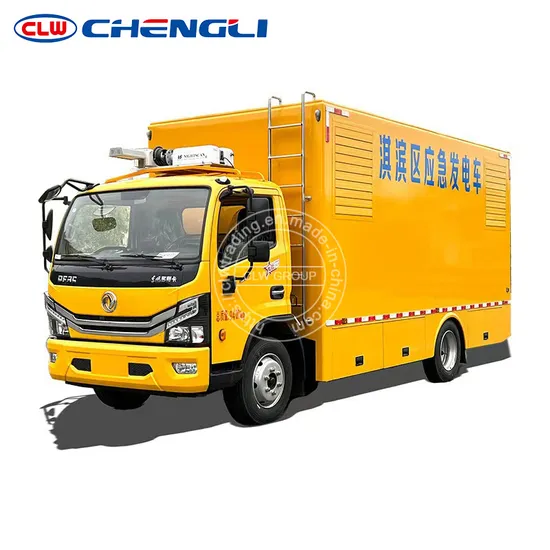
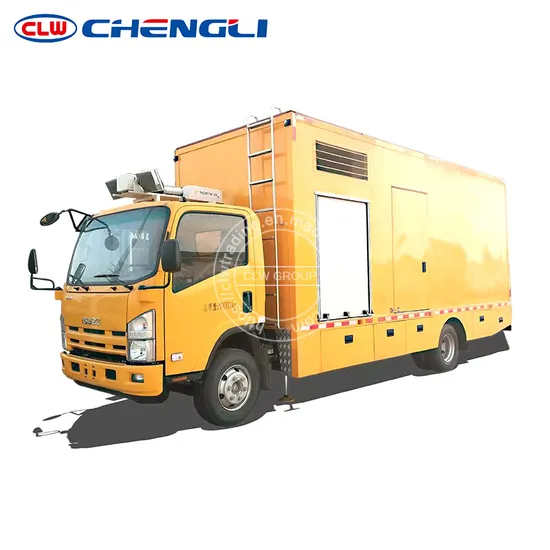
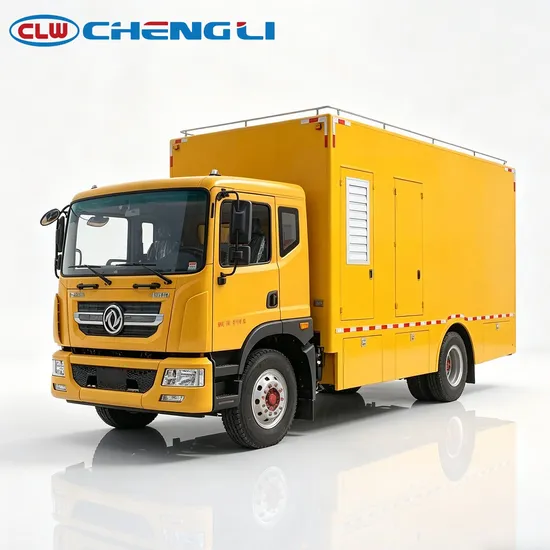
A compact Dongfeng 4×2 emergency power truck with a cab-over chassis and enclosed generator body. Side and rear service doors and ventilation openings support access to the power package. Specify connected loads, cable distribution and deployment space for the response site.
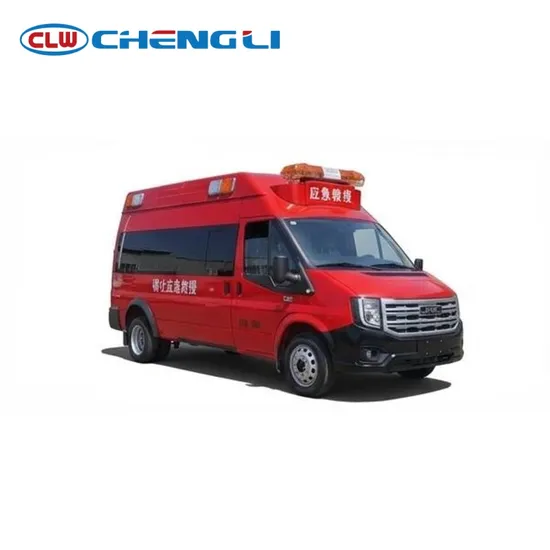
A high-roof emergency service van with an enclosed workshop layout for rescue and utility crews. The equipment brief includes an air compressor, generator, cutting equipment and welding equipment. Define the working area, equipment installation, ventilation and crew loading for the ordered service package.
A Dongfeng two-axle drainage rescue truck with a long equipment enclosure and a rear roller-shutter compartment. The open rear bay provides access to the pumping and hose equipment. Plan water collection, discharge routing and the equipment layout for the flood-response site.
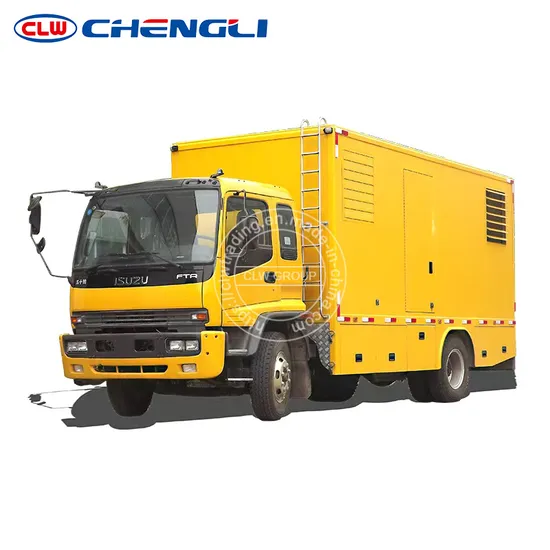
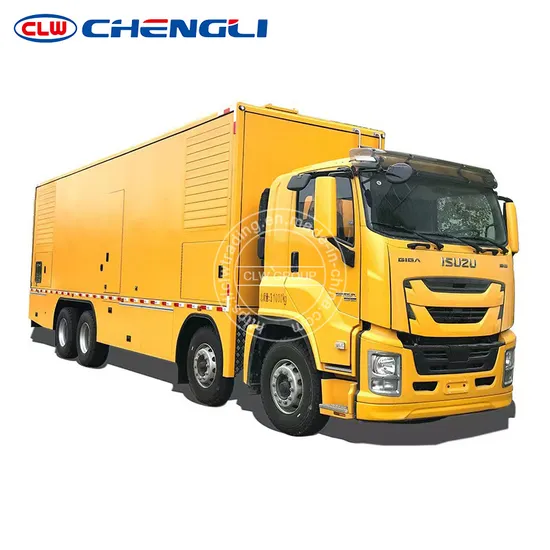
An Isuzu GIGA two-axle emergency power truck with a long enclosed generator body, side ventilation openings and rear service doors. The two-axle layout differs from four-axle heavy power vehicles. Define the generator package, connected loads, cable routing and site setup for the intended response.
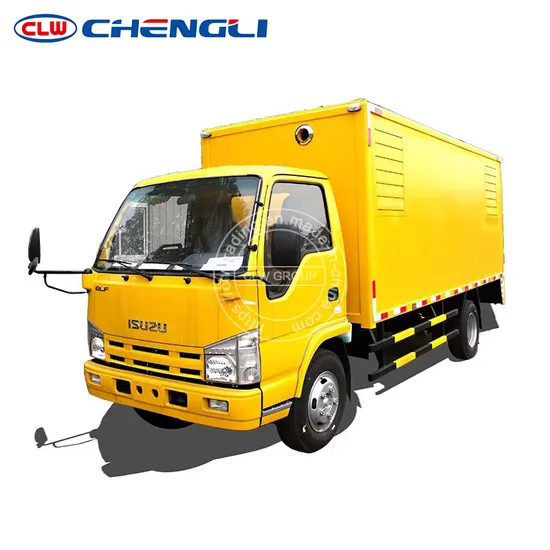
An Isuzu medium-duty 4×2 emergency power truck with an enclosed generator body, side service access and rear double doors. The wider cab and tall equipment body provide a different layout from compact pickup-size power vehicles. Define electrical loads, cable connections and deployment space for the selected generator package.
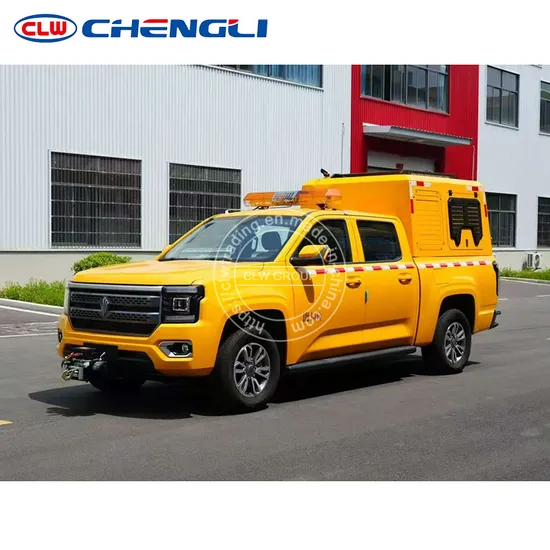
A double-cab drainage rescue pickup with a front-mounted winch and a separate rear equipment enclosure. Side and rear access panels provide entry to the equipment body. Specify the pumping package, recovery equipment and loading plan for the flood-response task.
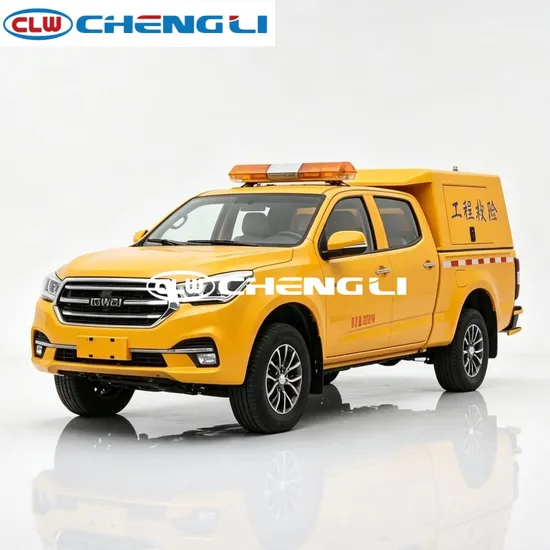
A double-cab pickup drainage rescue truck with a raised rear equipment enclosure. A rear lifting hatch opens the equipment bay, with a fold-down working platform below. Plan the portable pumping equipment, hose storage and crew loading for flood-response support.
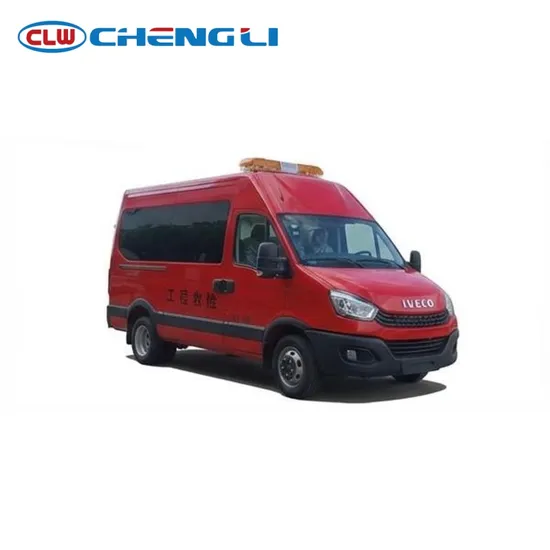
An Iveco service van for mobile emergency equipment support. The enclosed van body provides a protected space for the specified generator and equipment-cabinet arrangement. Define the team task, equipment inventory, access and service connections for the ordered layout.
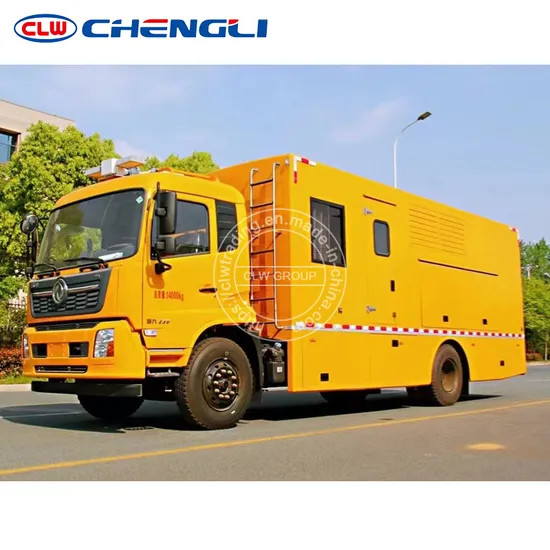
A Dongfeng emergency power truck with two axles and an enclosed generator body. The body has service access and rear doors for the selected power package. Plan the connected load, generator equipment, cable interfaces and deployment site as one temporary power system.
An Isuzu GIGA emergency power truck with four axles and a long enclosed generator body. Rear doors and side service panels provide equipment access. Define the power package, distribution interfaces and site arrangement around the connected load and the completed vehicle limits.
An Isuzu 4×2 emergency power truck with an enclosed generator body and service access panels. The compact chassis carries the selected power and distribution equipment for mobile incident support. Specify the load schedule, output connections and deployment conditions before selecting the generator package.
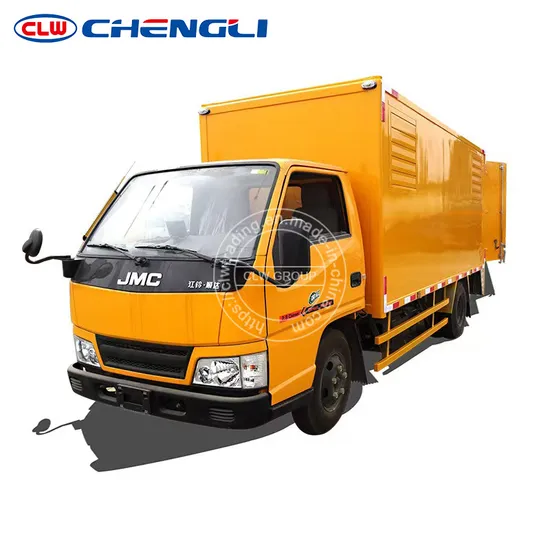
A JMC 4×2 emergency power truck with an enclosed generator body, ventilation openings and rear service doors. It provides a mobile platform for a specified temporary power package. Agree the connected loads, generator selection, cable interfaces and site setup for the response task.
A small rescue truck is chosen for access. On a 4×2 light or medium chassis it can be configured with hydraulic rescue tools, scene lighting, a generator and, where needed, a small water tank. When you ask for a small or mini rescue truck, tell us the narrowest road and gate width, the maximum vehicle mass allowed, the number of crew seats and your tool list. These decide the chassis and equipment package.
Chengli builds rescue trucks to the buyer’s equipment list and can supply them under the buyer’s own brand through OEM/ODM. A project starts with your equipment inventory and crew plan. We propose the chassis, body layout and locker arrangement, then confirm drawings, the mass and axle statement and acceptance tests before production.
What is the difference between a rescue fire truck and a fire engine?
A fire engine or pumper is built around water, a pump and hose for firefighting. A rescue fire truck is built around equipment: rescue tools, lifting gear, lighting and power. Some rescue trucks carry a small water tank, but their main job is technical rescue and incident support.
Do you make small or mini rescue trucks?
Yes. The range includes a Dongfeng 4×2 rescue configuration and a compact lighting and rescue truck with a 5,990 mm overall vehicle length. Tell us the road width, weight limits and tool list, and we will review the smallest chassis that can carry them.
Can a rescue truck be fitted with a crane?
Yes. Listed configurations include a HOWO 4×2 rescue truck with a 5-ton knuckle-boom crane and other crane-equipped rescue trucks. State the load you need to lift and at what radius, because crane rating, chassis and stabilisers are selected together.
Can you build rescue trucks under our own brand?
Yes. OEM/ODM supply is available. The body, lockers, equipment layout, livery and nameplates can follow your specification, subject to chassis, axle and regulatory limits.
What should we send for a quotation?
The destination country, number of vehicles, the rescue role, crew seats, equipment and tool list, lifting or lighting requirements, chassis preference, steering side and delivery terms (FOB, CIF, CFR or EXW).
Before choosing a chassis.
A vehicle family is a starting point. The final build follows your project requirements.
01
Access & operating duty
Confirm road conditions, station dimensions, crew and equipment loads.
02
Chassis & body
Review local support, driving position, emissions and completed vehicle compatibility.
03
Acceptance & support
Agree documents, configuration evidence, testing, training and service responsibilities.
Compare published fire-truck reference ranges by vehicle category, then define the chassis, installed equipment and delivery scope needed for an itemised quotation.
Specify separate agent quantities, pump flow at pressure and occupied seats. Use a real-vehicle comparison, a worked storage example and a filled buying brief.
03 / YOUR PROJECT
Send a useful vehicle brief
Include destination, quantity, vehicle role, chassis preference, steering side, crew, water/agent volumes, pump duty, equipment and delivery requirements. Attach the relevant product links and tender specification where available.