PROCUREMENT GUIDE
Small Fire Trucks: Compact and Mini Models Compared
Compare the catalogue's compact, mini and small fire-truck records by stated capacity, drive layout and price, with access, crew and equipment requirements kept in view.
Published
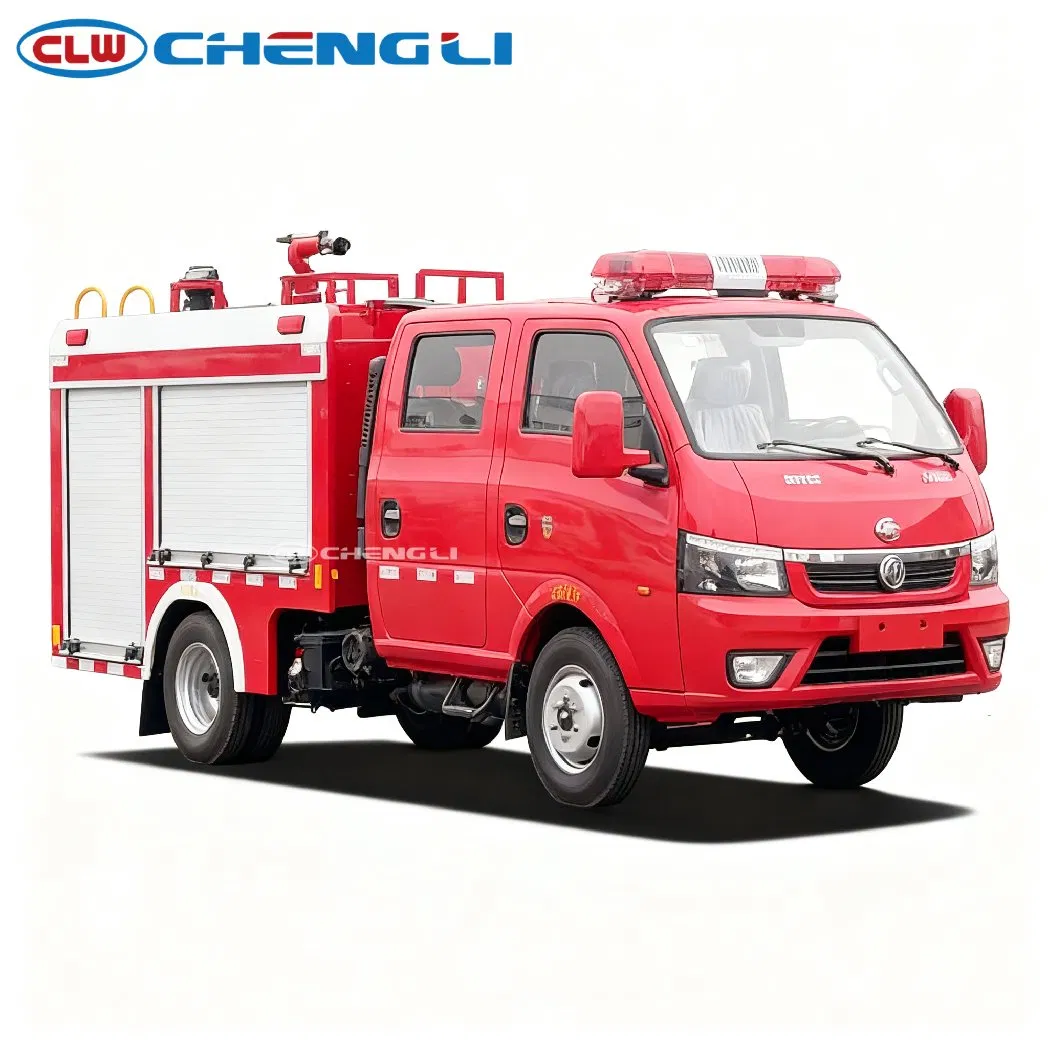
A small fire truck is worth considering when the buying brief emphasises restricted access, a smaller vehicle envelope or a focused response role. Start with the actual completed dimensions and the work it must perform, then compare water storage, crew, pumping and equipment. This guide lists 15 published product records whose names contain compact, mini or small. Those catalogue descriptions help you find options; they are not a formal vehicle-size class or a guarantee that a truck can use a particular road.
1. Compare the compact and mini records
| Product | Catalogue section | Drive | Recorded agent/tank capacity | Reference price, USD |
|---|---|---|---|---|
| Dongfeng Compact Water Fire Truck | Pumper | 4×2 | 2,500 L nominal water tank | USD 10,000–15,000 |
| Isuzu ELF Compact Urban Fire Truck | Pumper | 4×2 | On request | USD 20,000–35,000 |
| HOWO Compact Rescue Fire Truck | Rescue | 4×2 | On request | On request |
| Dongfeng Tuyi Mini Fire Truck | Rapid intervention | 4×2 | 850 L nominal water tank | USD 13,000–20,000 |
| Foton H2 Compact Fire Truck | Rapid intervention | 4×2 | 2,600 L nominal water tank | USD 20,000–29,000 |
| Dongfeng 2,100 L Compact Fire Truck | Rapid intervention | 4×2 | 2,100 L nominal water tank | USD 20,000–28,000 |
| JMC 2,000 L Compact Water Fire Truck | Rapid intervention | 4×2 | 2,000 L nominal water tank | USD 19,000–25,000 |
| Compact 4×2 Water & Foam Fire Truck | Rapid intervention | 4×2 | On request | USD 10,000–30,000 |
| 4×2 1 m³ Compact Water Fire Truck | Rapid intervention | 4×2 | 1 m³ nominal | USD 14,000–19,000 |
| Foton 4×2 Compact Water Fire Truck | Rapid intervention | 4×2 | On request | USD 20,000–38,000 |
| 4×2 Compact Water Fire Truck | Rapid intervention | 4×2 | On request | USD 14,000–19,000 |
| JAC Compact Water Fire Truck | Rapid intervention | 4×2 | On request | USD 14,000–19,000 |
| Dongfeng 4×2 Compact Water Fire Truck | Rapid intervention | 4×2 | On request | USD 8,000–20,000 |
| Dongfeng Small Water Fire Truck | Rapid intervention | On request | On request | USD 20,000–38,000 |
| CLW5070GXFQ4 Compact Water Fire Truck | Rapid intervention | On request | 3,000 L water / 1,000 L foam | USD 39,000–45,000 |
Where a published capacity is absent or its meaning is unclear, the table shows “On request”. It does not infer a tank volume from rated payload, chassis size or an image. The named records also cover different roles: a compact rescue vehicle should be compared by its equipment package rather than assumed to carry the same agents as a compact water vehicle. Read each linked page before carrying its details into a purchasing specification.
The table retains the recorded unit and scope. Nominal water volume, a water-and-foam package and a configurable body description are different kinds of information. If a quotation proposes foam, ask for separate water and concentrate storage rather than accepting a single unexplained total.
2. Decide whether access is the main constraint
For a narrow street, a small community station or a factory route, record the actual access constraints before selecting a vehicle. Include entrance width and height, corners, turning space, gradients, surface conditions and the space needed to deploy equipment. The supplier should compare the completed dimensions with that brief. The word compact cannot answer all those questions by itself.
Consider the route in both normal operation and the circumstances the buyer intends the vehicle to support. Also consider where the crew will stand and how equipment will be removed when the truck is parked. A smaller vehicle envelope may help one part of the brief while reducing the space available for equipment, agents or people. Ask for a proposed layout to make those trade-offs visible.
The rapid intervention vehicle category offers another set of catalogue records to review. Its name does not establish response times or independently prove road suitability. Describe the desired capability and the existing fleet so that the enquiry addresses the duty instead of relying on a category label.
3. Compare water, crew and equipment together
Water capacity is one part of a compact vehicle's package. State the required crew number and carried equipment, then ask how those items fit the proposed cab and body. Confirm the exact pumping package and the planned water connections separately. Do not assume that a larger pump specification follows from a larger water tank, or that a small tank requires only a limited equipment inventory.
Describe the water supply and replenishment arrangement in the enquiry. The recorded tank quantity is not an operational-duration calculation. Delivered flow, supply arrangements and the buyer's intended use all affect how a particular system would be assessed. Use the tank, pump and crew-cab guide to organise those questions before choosing a configuration.
For small rescue trucks, begin with the tool inventory, storage, lighting, lifting and electrical requirements. Request the relevant equipment details. A compact rescue product with no separately recorded water capacity should not acquire an assumed tank figure just to fit a comparison table.
4. Request a small-vehicle proposal with a clear scope
Keep two or three product links that are closest to the brief, explain the access constraints and give the destination, quantity, steering side and crew. List required agent quantities, pump duty and equipment as separate items. Ask the proposal to identify the chassis, completed dimensions, body arrangement and included systems. This gives the supplier a concrete comparison to address.
The price column contains published reference ranges only; it is not a FOB or CIF quotation. The final quotation depends on chassis, equipment, quantity and delivery scope. Use the price guide for a category comparison and the contact page to request the exact small-vehicle configuration. An entry marked “On request” should be resolved in that written offer.
Guide questions.
Is mini fire truck an official size or capacity class here?
No. This guide selects current records by their catalogue names. Compare the completed dimensions, crew, agents and equipment for the exact offered configuration.
Should I choose the smallest water tank for a compact truck?
Set the intended role, water supply arrangement, crew and equipment first. The appropriate package depends on those requirements and the completed vehicle; small does not specify a particular tank quantity.
Can a compact rescue vehicle replace a water fire truck?
They are different duties unless the offered vehicle explicitly combines them. Compare the rescue equipment and any independently specified firefighting systems instead of assuming an interchangeable role.
Vehicles discussed in this guide
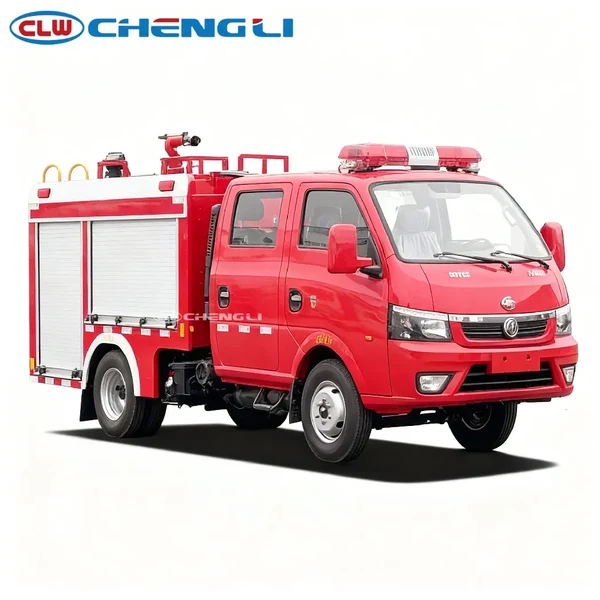
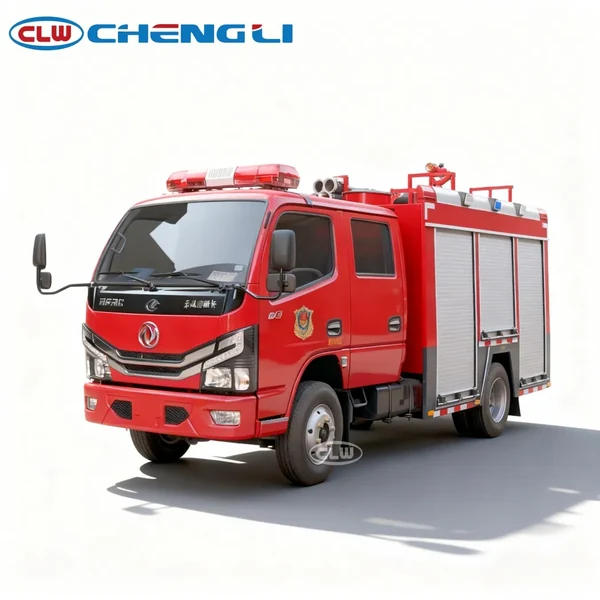
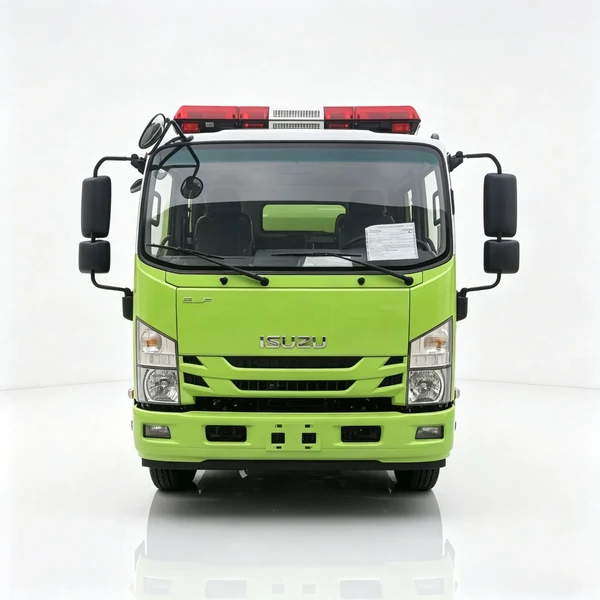
Isuzu ELF Compact Urban Fire Truck
Urban and community response on restricted-access roads
View details ↗