PROCUREMENT GUIDE
Fire Truck Price: Reference Ranges and Quotation Factors
Compare published fire-truck reference ranges by vehicle category, then define the chassis, installed equipment and delivery scope needed for an itemised quotation.
Published
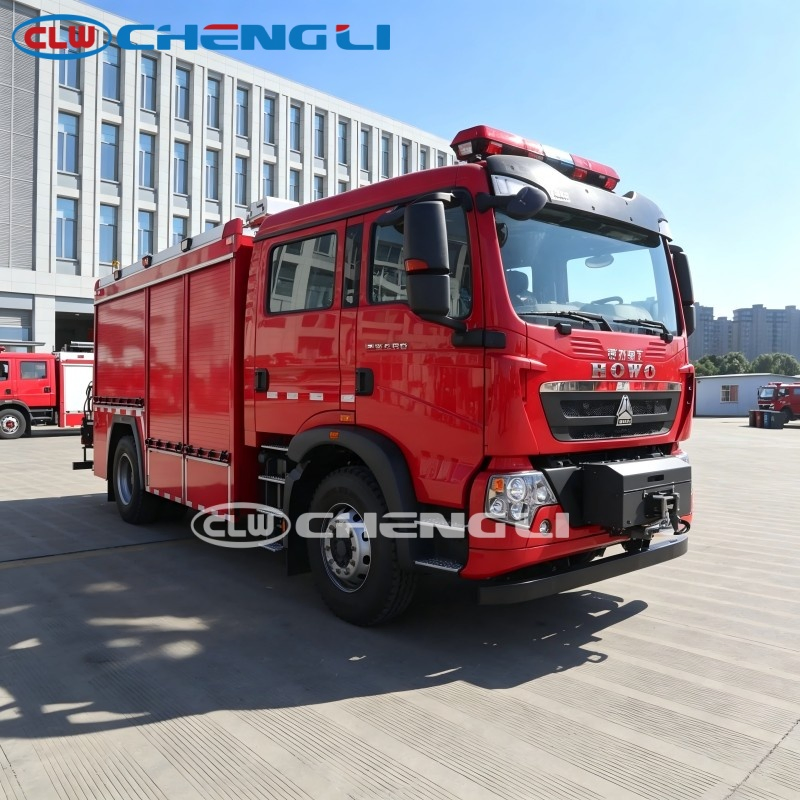
Fire truck price depends on the complete vehicle being offered. A chassis, a water-and-foam package, a rescue body and a specialist agent installation can create very different quotation scopes. The most useful initial comparison is between records serving the same role, followed by an itemised offer for the configuration you need. This guide summarises the reference ranges currently published on 118 formally listed product records across six vehicle categories.
The figures below are a snapshot taken on 12 October 2026. They are reference prices only, not FOB or CIF quotations. The final quotation depends on chassis, equipment, quantity and delivery scope. A published lower or upper endpoint is not allocated to a particular option unless the product record or final offer explicitly identifies it.
1. Published reference prices by vehicle category
| Vehicle category | Priced records | Observed published endpoints | Median lower endpoint |
|---|---|---|---|
| Pumper Fire Trucks | 32 | USD 10,000–100,000 | USD 25,100 |
| Water & Foam Fire Trucks | 50 | USD 10,000–120,000 | USD 25,500 |
| Rapid Intervention Vehicles | 12 | USD 8,000–45,000 | USD 16,500 |
| Wildland Fire Trucks | 8 | USD 16,000–88,000 | USD 35,600 |
| Rescue Fire Trucks | 10 | USD 20,000–130,000 | USD 46,500 |
| airport fire trucks | 6 | USD 35,000–83,500 | USD 50,800 |
The range column runs from the lowest published lower endpoint to the highest published upper endpoint in that category. It therefore describes a collection of different configuration records, not the price range for one vehicle. The median column is the middle of the published lower endpoints; it is not an average selling price, a completed-sale result or an estimate for your project.
Only records with a published reference range are included in these calculations. Other formal product records remain available to compare, with prices requested for the exact offer. Do not substitute another category's median for an unpriced configuration. The category links take you to the vehicles behind the comparison.
2. Keep the complete vehicle scope comparable
Begin with the main duty: pumping, water and foam delivery, rescue support, specialist agents or another defined role. Then compare the chassis, drive arrangement, crew cab, body, installed systems and carried equipment. A shared brand or a similar tank description does not mean the quoted inclusion list is the same.
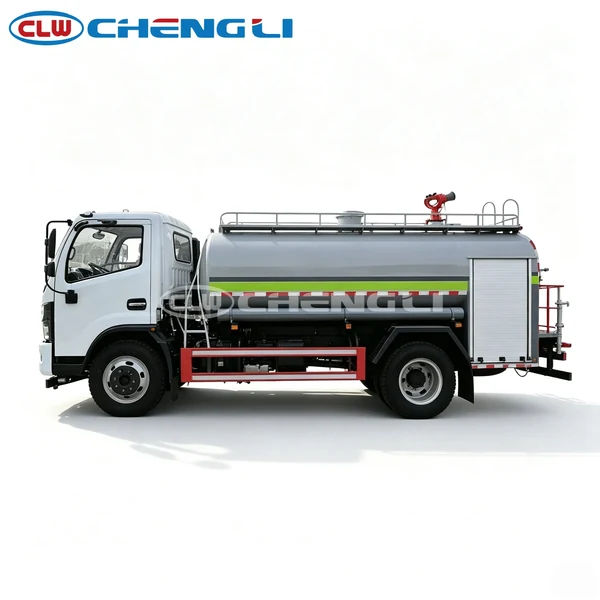
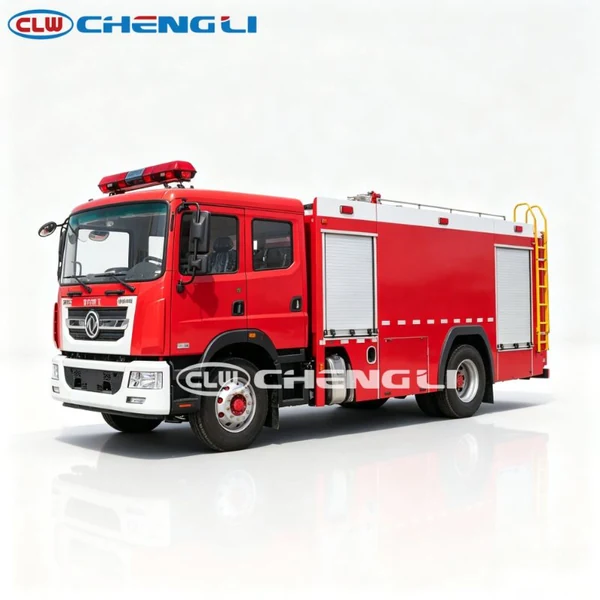
The Dongfeng 4×2 7,000 L Fire Sprinkler Truck and the CLH5170 4×2 Water Fire Truck are separate water-vehicle records to examine. The HOWO rescue truck with a knuckle-boom crane introduces a different equipment package. Treat each product link as the starting point for an exact proposal, rather than combining their fields into an assumed standard truck.
Tank volume and permissible loading describe different things. Ask for water and foam storage separately, and resolve any unclear capacity entry in the technical offer. A payload or whole-vehicle mass should not become an assumed tank volume in a price comparison. For pumping equipment, ask for the offered duty, connections and operating arrangement; a model name alone does not define the complete installed system.
3. Ask which items explain the quotation
Request an itemised inclusion list covering the chassis and finished body, agent storage, pumping and monitoring equipment, crew accommodation, carried tools, electrical systems, documents and delivery scope. Identify requested options separately. If the proposal offers a substitution, ask how it changes the accepted configuration and price.
Equipment choices can make nominally similar vehicles different purchases. A rescue body may carry lifting, lighting and tool storage, while a water-and-foam vehicle needs its own tank and agent-system arrangement. The catalogue's category ranges should help you organise enquiries; they should not override the buyer's technical requirements or imply that the least expensive record meets them.
For a brand-specific comparison, use the HOWO model and reference-price guide or the Isuzu model and reference-price guide. Those tables reproduce each linked product's published range. This article handles the broader price question so that a brand guide does not have to repeat the quotation factors.
4. Send a brief that supports an itemised offer
Give the destination, quantity, intended role, preferred chassis and steering side. Add crew numbers, route or station constraints, required agent quantities, pump duty and the equipment inventory. State the delivery requirement and any buyer-specified inspection or document scope. Keep the selected product links with that brief so the supplier can identify which configuration is being discussed.
Compare replies against the same scope. Ask whether an offered amount covers the completed vehicle and each required item, and ensure the commercial terms are stated in the quotation. The published ranges do not identify freight, import charges or destination costs as included, and this guide supplies no country-specific cost estimate.
Use the contact page to request a project-specific quotation from Chengli Group If a product is unpriced or a field is unclear, ask for written confirmation. Review the final technical specification and commercial scope together before treating a reference price as a purchasing budget.
Guide questions.
What is the average fire truck price?
The catalogue contains different vehicle roles and equipment packages, so one overall average would hide the scope differences. The table reports each category's observed reference range and the median of published lower endpoints, not completed-sale prices.
Are the published reference prices FOB or CIF?
No. They are reference prices only. The final quotation depends on chassis, equipment, quantity and delivery scope, with delivery terms identified in the commercial offer.
Why do two fire trucks with similar tanks have different prices?
Compare the chassis, crew cab, installed pump and monitor package, agent arrangement, carried equipment, documents and delivery scope. Similar tank descriptions do not establish identical vehicle packages.
Vehicles discussed in this guide
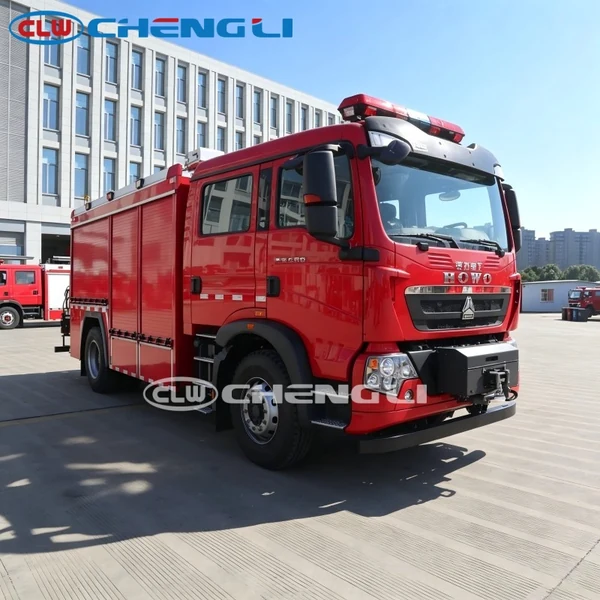
HOWO 4×2 Fire Rescue Truck with 5-Ton Knuckle-Boom Crane
HOWO 4×2 rescue truck combining a 5-ton knuckle-boom crane, 75 kN winch and 12 kVA generator for lifting, recovery and scene support.
View details ↗