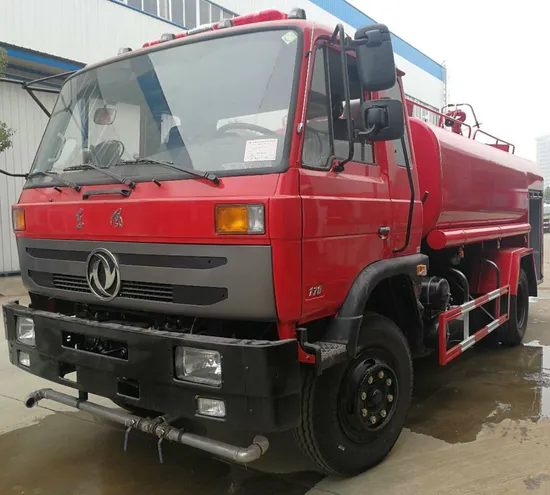
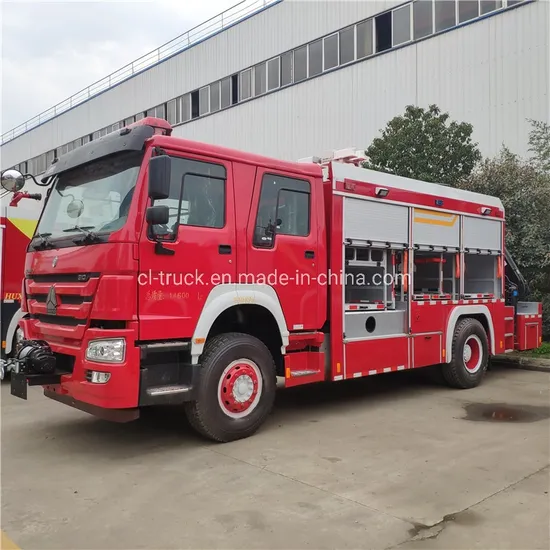
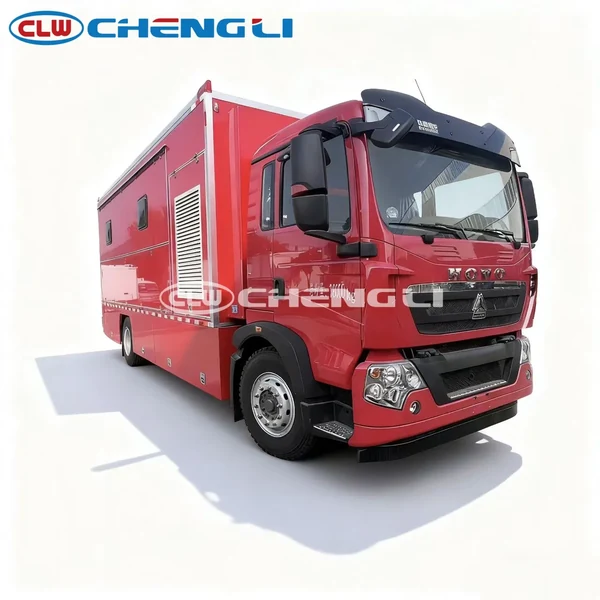
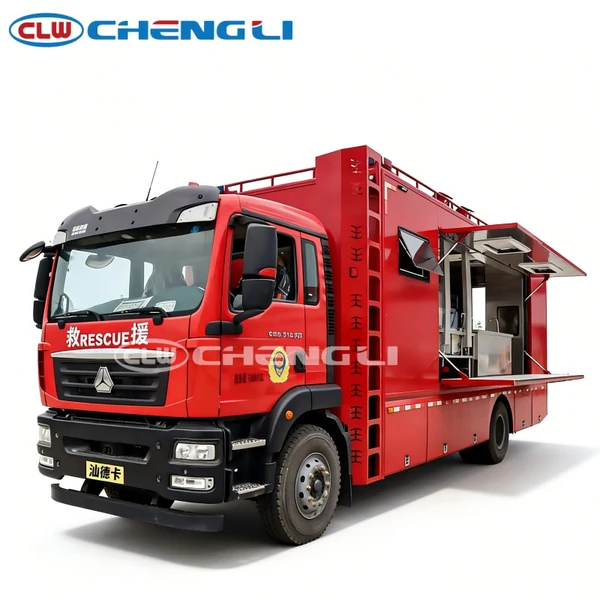
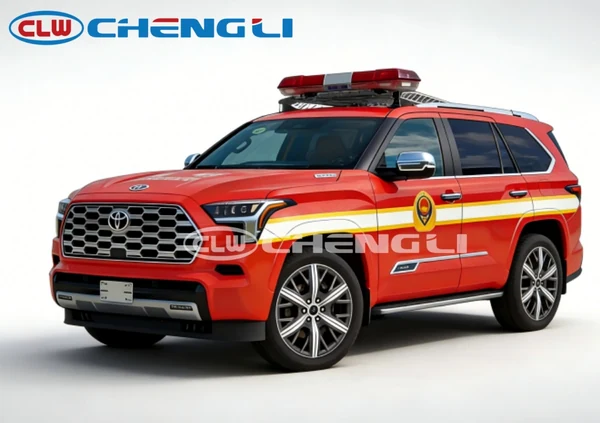
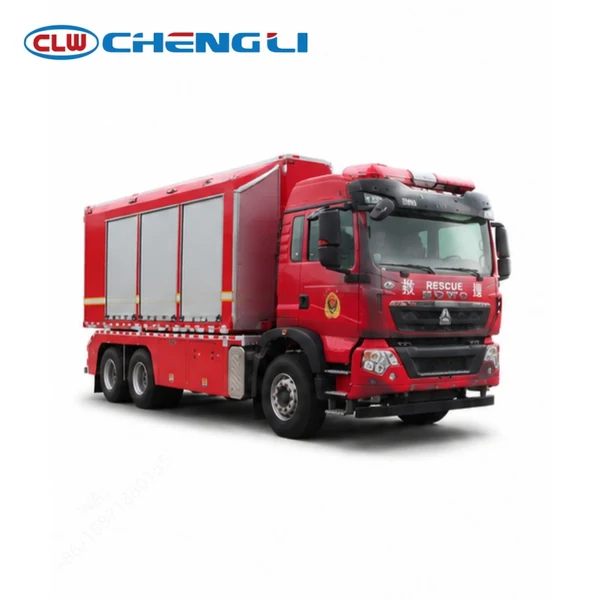
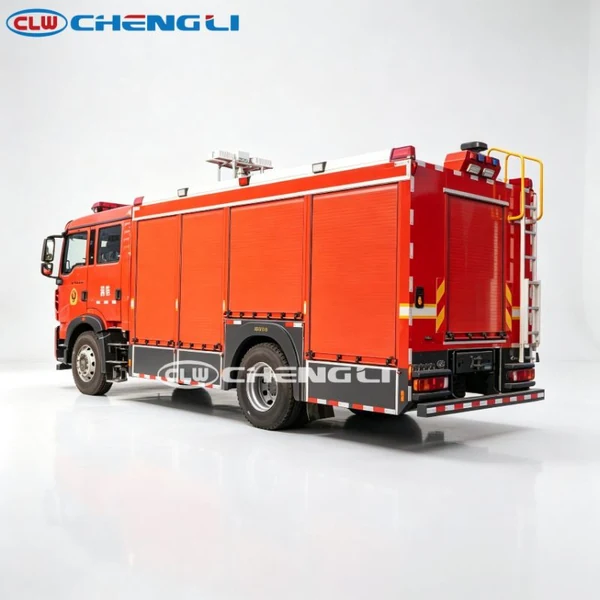
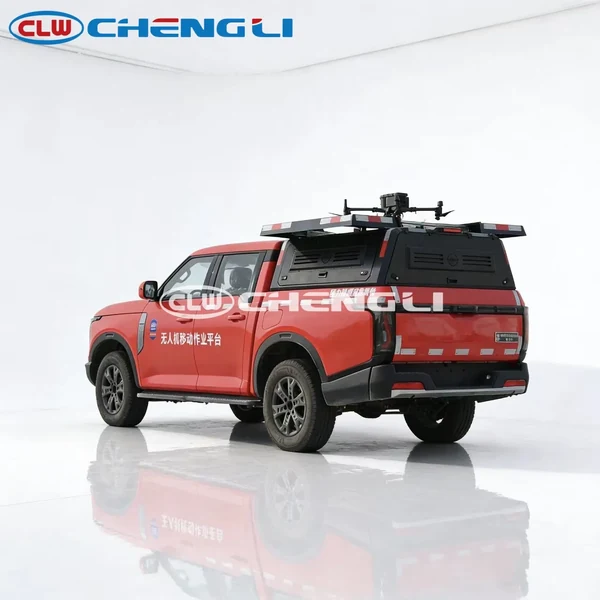
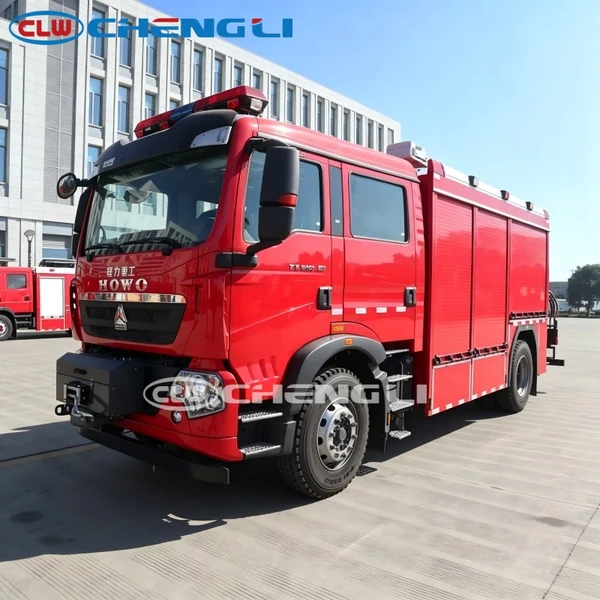
Rescue fire trucks carry the crew, tools and lifting equipment for road accidents, structural collapses, flooding and other technical rescue work. This family lists 45 configurations — from small 4×2 rescue trucks for narrow streets to heavy rescue configurations and an aerial platform fire truck, plus support vehicles for command, lighting, power, breathing air and crew welfare. Each can be adapted through project customisation and OEM/ODM services.
Compare crane-equipped configurations and equipment-led rescue vehicles for extrication, debris clearance and heavy rescue. Select cranes, winches, reels, lighting, crew seating and tool lockers for the exact vehicle.
For an access-led brief in narrow streets, residential areas and industrial estates. Check completed dimensions and mass against the route before choosing the chassis.
For long or large incidents: command, scene lighting, electrical power, breathing air, logistics and crew welfare. Select the support package around the wider response fleet.
HOWO rescue fire truck with a manual-transmission diesel chassis for an incident-support equipment brief; the exact drive layout is confirmed for the build.
4×4 pickup-based command vehicle with a drone dock and aerial-observation package for incident coordination, with the exact aircraft and interfaces confirmed in the offer.
A small rescue truck is chosen for access. On a 4×2 light or medium chassis it can be configured with hydraulic rescue tools, scene lighting, a generator and, where needed, a small water tank. When you ask for a small or mini rescue truck, tell us the narrowest road and gate width, the maximum vehicle mass allowed, the number of crew seats and your tool list. These decide the chassis and equipment package.
Chengli builds rescue trucks to the buyer’s equipment list and can supply them under the buyer’s own brand through OEM/ODM. A project starts with your equipment inventory and crew plan. We propose the chassis, body layout and locker arrangement, then confirm drawings, the mass and axle statement and acceptance tests before production.
What is the difference between a rescue fire truck and a fire engine?
A fire engine or pumper is built around water, a pump and hose for firefighting. A rescue fire truck is built around equipment: rescue tools, lifting gear, lighting and power. Some rescue trucks carry a small water tank, but their main job is technical rescue and incident support.
Do you make small or mini rescue trucks?
Yes. The range includes a Dongfeng 4×2 rescue configuration and a compact lighting and rescue truck with a 5,990 mm overall vehicle length. Tell us the road width, weight limits and tool list, and we will review the smallest chassis that can carry them.
Can a rescue truck be fitted with a crane?
Yes. Listed configurations include a HOWO 4×2 rescue truck with a 5-ton knuckle-boom crane and other crane-equipped rescue trucks. State the load you need to lift and at what radius, because crane rating, chassis and stabilisers are selected together.
Can you build rescue trucks under our own brand?
Yes. OEM/ODM supply is available. The body, lockers, equipment layout, livery and nameplates can follow your specification, subject to chassis, axle and regulatory limits.
What should we send for a quotation?
The destination country, number of vehicles, the rescue role, crew seats, equipment and tool list, lifting or lighting requirements, chassis preference, steering side and delivery terms (FOB, CIF, CFR or EXW).
Before choosing a chassis.
A vehicle family is a starting point. The final build follows your project requirements.
01
Access & operating duty
Confirm road conditions, station dimensions, crew and equipment loads.
02
Chassis & body
Review local support, driving position, emissions and completed vehicle compatibility.
03
Acceptance & support
Agree documents, configuration evidence, testing, training and service responsibilities.
Compare published fire-truck reference ranges by vehicle category, then define the chassis, installed equipment and delivery scope needed for an itemised quotation.
Specify separate agent quantities, pump flow at pressure and occupied seats. Use a real-vehicle comparison, a worked storage example and a filled buying brief.
03 / YOUR PROJECT
Send a useful vehicle brief
Include destination, quantity, vehicle role, chassis preference, steering side, crew, water/agent volumes, pump duty, equipment and delivery requirements. Attach the relevant product links and tender specification where available.